
How a small oled display Enhances Compact and Portable Devices
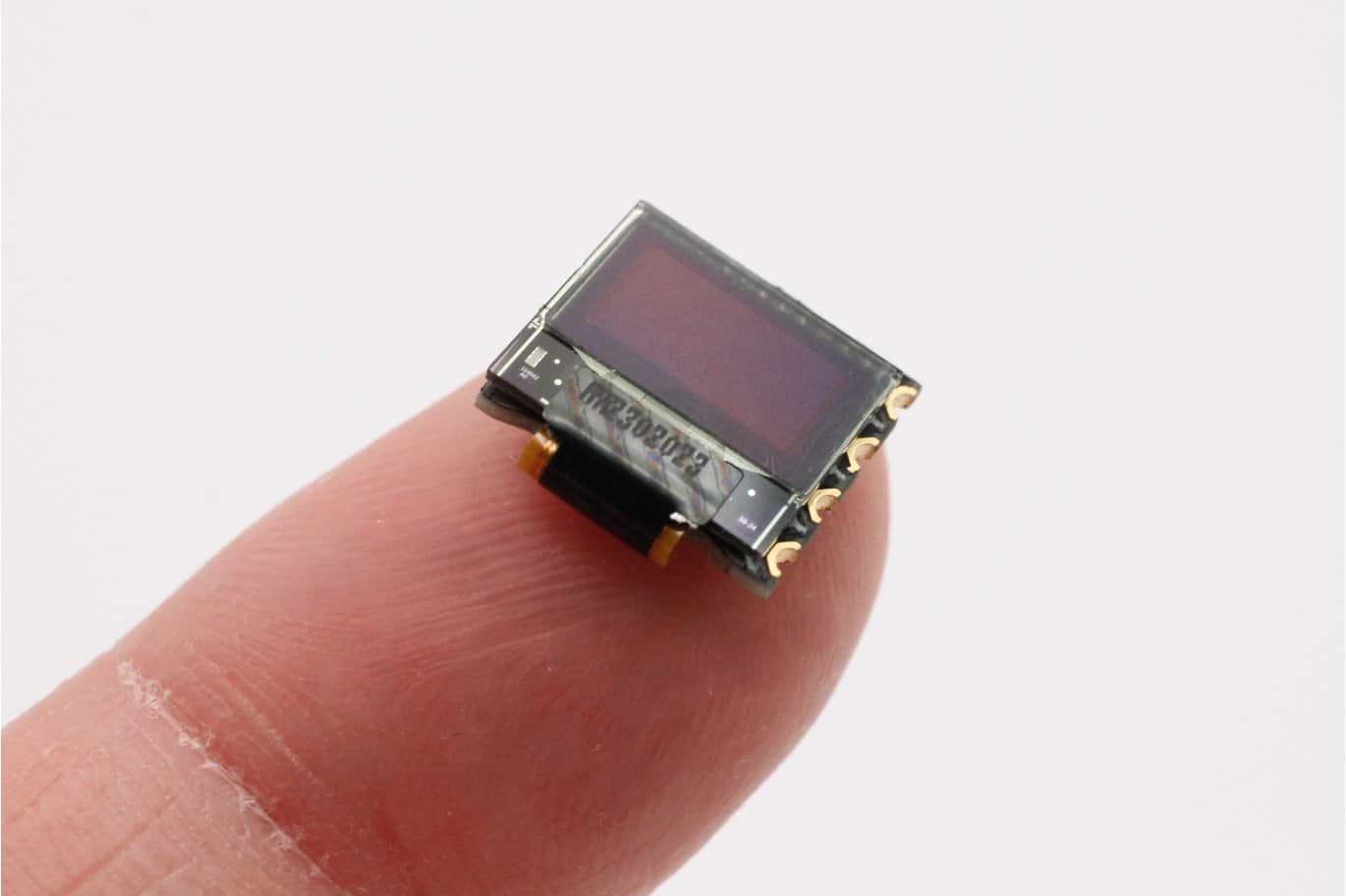
A small oled display has become an essential component for modern portable electronics and specialized devices due to its high visual quality, energy efficiency, and compact design. Using Organic Light Emitting Diode (OLED) technology, these displays provide true blacks, vibrant colors, and flexible form factors, making them ideal for wearables, consumer electronics, and industrial applications. Understanding the advantages and applications of a small oled display helps businesses and developers make informed choices for device integration.
What is a small oled display?
A small oled display is a compact screen that uses OLED technology, where each pixel emits its own light. Unlike traditional LCDs that rely on a backlight, OLED displays offer better contrast, higher color accuracy, and energy efficiency. Small oled displays are especially suitable for devices with limited space but requiring high-quality visuals, such as smartwatches, handheld devices, and portable monitors.
Key Features of Small OLED Displays
Small OLED displays provide features that make them stand out in compact applications:
- True Blacks and High Contrast: Each pixel emits light independently, producing deep blacks and vibrant colors.
- Energy Efficiency: Consumes less power than backlit displays, extending battery life for portable devices.
- Flexible and Compact Form Factor: Can be integrated into small, curved, or foldable devices.
- Wide Viewing Angles: Clear visibility from multiple perspectives.
- Thin and Lightweight Design: Enables sleeker, more portable device designs.
Advantages of Using Small OLED Displays
Small OLED displays offer several benefits for device manufacturers:
- Enhanced Visual Experience: Vivid colors and sharp contrast improve readability and user satisfaction.
- Battery Efficiency: Lower energy consumption is ideal for wearables and mobile devices.
- Design Flexibility: Compact and flexible displays allow for innovative device shapes.
- High Durability: Resistant to physical stress, making them suitable for portable electronics.
Applications Across Industries
Small OLED displays are widely used in various sectors:
- Wearable Technology: Smartwatches, fitness trackers, and health monitoring devices.
- Consumer Electronics: Handheld gadgets, portable media players, and compact digital cameras.
- Medical Devices: Small monitors, diagnostic tools, and portable medical equipment.
- Automotive: Compact instrument clusters, heads-up displays, and infotainment screens.
- IoT Devices: Smart home gadgets, connected sensors, and industrial control interfaces.
Types of Small OLED Displays
small oled display come in different configurations to meet specific device requirements:
- Monochrome Small OLED Displays: Simple, low-power displays for basic information.
- Full-Color Small OLED Displays: Provide rich colors for enhanced user experience.
- Flexible Small OLED Displays: Bendable or curved screens for innovative device designs.
- Custom Small OLED Modules: Tailored solutions for specialized applications or industrial devices.
Choosing the Right Small OLED Display
When selecting a small oled display, consider these factors:
- Size and Resolution: Ensure clarity and suitability for the device’s intended use.
- Power Efficiency: Important for battery-operated devices.
- Durability and Environment: Consider moisture, temperature, and physical stress tolerance.
- Display Type: Monochrome, color, or flexible based on application requirements.
- Supplier Reliability: Work with trusted manufacturers for high-quality, long-lasting displays.
Future Trends for Small OLED Displays
The future of small OLED displays is driven by innovation and increasing demand for compact, high-performance screens:
- Flexible and Foldable Applications: Enables new device designs, including curved wearables and foldable gadgets.
- Higher Resolution in Small Sizes: Improved pixel density for sharper, clearer visuals.
- Energy-Efficient Designs: New OLED materials and technology further reduce power consumption.
- Integration with IoT Devices: Enhances usability in connected smart devices and industrial sensors.
Conclusion
Small oled displays offer a combination of compact size, high visual quality, energy efficiency, and flexible integration. Their vibrant colors, true blacks, and thin design make them ideal for wearable devices, portable electronics, medical equipment, automotive systems, and IoT applications. For businesses and developers seeking reliable, high-performance compact display solutions, small oled displays provide an excellent option.
Q & A Related to Small OLED Displays
Q: What is a small OLED display?
A: A small OLED display is a compact screen that uses Organic Light Emitting Diode technology, providing high contrast, vibrant colors, and energy efficiency.
Q: Where are small OLED displays used?
A: Wearables, consumer electronics, medical devices, automotive dashboards, and IoT devices.
Q: Why choose a small OLED display over LCD?
A: OLED displays offer true blacks, higher contrast, lower power consumption, and flexible integration compared to traditional LCDs.
Q: Can small OLED displays be flexible or curved?
A: Yes, flexible or curved designs allow innovative and space-efficient device integration.