
The Ultimate Property Status Check for Safe and Sturdy Garden Deck Foundations
Building a garden deck is an exciting prospect for any homeowner wanting to expand their outdoor living space, host summer barbecues, and enjoy the fresh air throughout the changing seasons. However, before you start selecting premium timber or finalising the seating layout, it is absolutely crucial to perform a thorough property status check. A beautiful deck is only as reliable as the foundation beneath it. Skipping the structural assessment phase can lead to costly repairs, uneven walking surfaces, and serious safety hazards down the line. By treating your pre-construction planning as a rigorous structural audit, you ensure your new outdoor oasis stands the test of time and severe weather. This fundamental status check will ultimately save you money and give you complete peace of mind when entertaining guests.
Assessing Soil Stability and Ground Conditions
The first phase of your pre-build evaluation involves looking closely at the earth itself. Ground conditions dictate exactly what kind of structural support your decking will need to remain perfectly level. In climates that experience deep freezes and significant snowmelt, frost heave is a major concern. When water in the soil freezes, it expands and pushes upwards with incredible force. This natural process can easily destabilise traditional concrete footings, leading to a warped and dangerous decking surface. During your status check, you must determine whether your soil is predominantly clay, sand, or loam, as each organic composition reacts differently to moisture retention and temperature fluctuations.
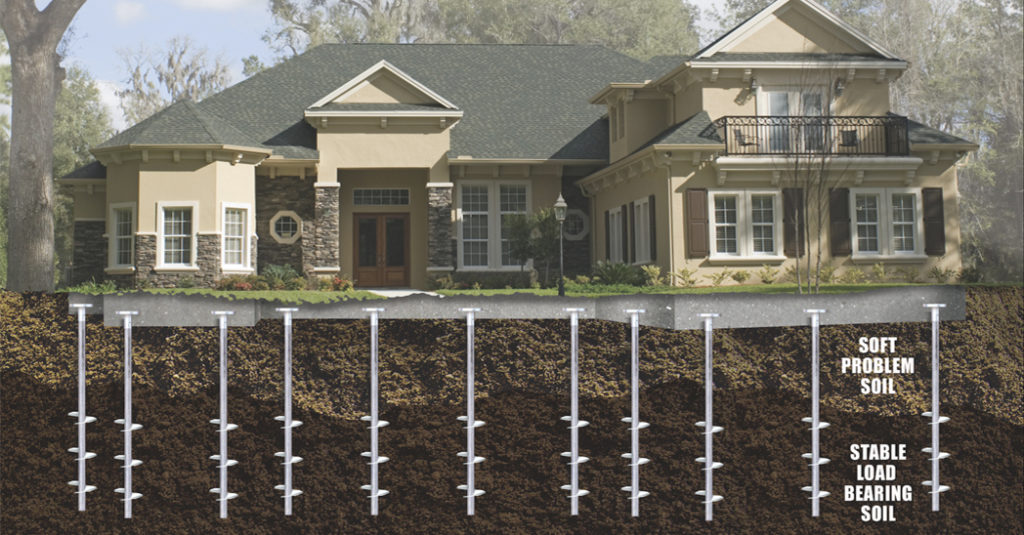
To bypass the vulnerabilities of traditional shallow footings, many structural engineers now recommend using helical piers to anchor outdoor structures securely. These deep foundation systems are screwed directly into stable earth far below the frost line, entirely bypassing the shifting upper layers of soil to provide unwavering support regardless of the season. Assessing whether your garden is suitable for this type of modern foundation is a key step in preventing future structural failure and keeping your decking perfectly level for decades to come.
Navigating Structural Codes and Regulatory Compliance
A comprehensive property status check is not just about physical ground conditions. It must also include a strict review of local and federal building regulations. Designing a deck that merely looks good is completely insufficient if it fails to meet the legal requirements for residential safety. Building codes are constantly evolving to address new climatic challenges, extreme weather events, and modern engineering discoveries. Ensuring your build aligns with these rules is non-negotiable for responsible homeowners.
For instance, the most recent edition of the National Building Code of Canada incorporates over 280 technical changes designed specifically to improve the level of structural protection and occupant safety. Verifying your project against these updated frameworks ensures your decking foundation is fully compliant with the absolute highest safety standards. Your local municipal planning department will have specific guidelines regarding frost line depth requirements, setback distances, and formal permit approvals. Ignoring this bureaucratic but vital verification step could result in heavy fines or being forced to tear down a newly constructed deck. Always cross-reference your structural plans with the latest national and municipal mandates before breaking ground.
The Essential Pre-Build Foundation Checklist
To help standardise your evaluation process, it is incredibly helpful to follow a structured audit. Completing these specific verifications will guarantee that your property is truly ready for heavy construction and that your foundation will be secure.
- Identify underground utilities: Before any digging or drilling begins, you must have local utility companies physically mark out buried gas, electrical, and water lines. Striking a utility pipe can lead to catastrophic accidents and massive repair bills.
- Determine the local frost line depth: Speak to a local engineer or a certified building inspector to confirm exactly how deep your support beams need to sit. Going below the frost line is the only way to avoid frost heave entirely.
- Calculate load-bearing requirements: Assess the total estimated weight of your planned deck. You must factor in heavy outdoor furniture, hot tubs, large groups of people, and potential winter snow loads to confirm the structural supports can handle the maximum pressure.
- Check surface drainage patterns: Take time to observe how water flows across your garden during heavy rain. You must ensure water naturally runs away from the main foundation points to prevent long-term soil erosion and timber rot.
Conclusion
A beautiful outdoor decking area is a fantastic addition to any home, but its longevity is entirely dependent on what happens before the first wooden board is ever laid. By conducting a meticulous property status check, you protect your investment from the ground up. Taking the time to properly evaluate soil conditions, verify local building codes, and complete a detailed pre-construction checklist ensures your new space is both structurally sound and perfectly safe. Once your foundational audit is fully complete and approved, you can finally move on to the exciting part of building your dream garden deck.