
How World Cup Mascots Help New Fans Learn to Read Matches Through Visual Storytelling
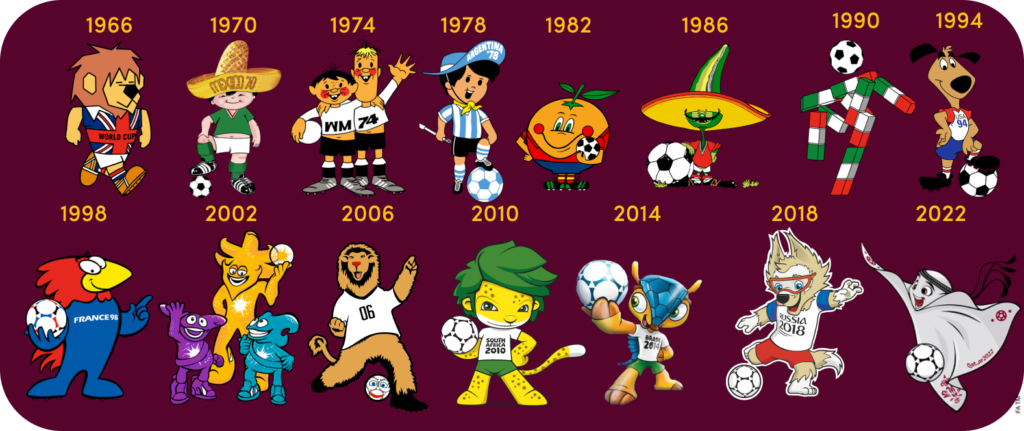
World Cup mascots and associated cartoons often serve as the first entry point for younger audiences, but their real impact emerges when those visual narratives begin to align with how matches are watched and understood over time.
Why Visual Characters Create Early Match Expectations
Mascots simplify complex football ideas into recognizable traits, such as speed, teamwork, or creativity, which mirror real tactical elements seen during matches. When viewers later watch games, they subconsciously map these traits onto teams, helping them anticipate patterns like quick transitions or coordinated pressing.
How Cartoons Translate Tactics Into Simple Narratives
Animated representations often exaggerate movements—overlapping runs, defensive recoveries, or long-range shots—which reflect real on-pitch actions in a simplified form. This exaggeration helps new viewers recognize similar patterns during live matches, even when the real game appears more complex.
The Transition From Animation to Real Match Awareness
As viewers move from cartoons to full matches, they begin identifying how simplified actions translate into structured team play. The gap between animation and reality narrows when repeated exposure reveals consistent tactical behaviors.
Where Simplification Meets Real Tactical Detail
Cartoons may present a single dribble as decisive, while real matches show the buildup involving spacing, support runs, and timing. Recognizing this difference helps viewers understand why certain plays succeed or fail under real conditions.
Watching Matches Live Reinforces These Learning Patterns
Following matches in real time allows viewers to connect animated expectations with actual gameplay sequences, especially when observing how attacks develop over multiple phases rather than isolated moments.
Engaging through ดูบอลสด provides continuous context, where viewers can track how possession evolves, how defensive lines shift, and how repeated patterns lead to chances with higher probability. This real-time exposure helps transform early cartoon-based understanding into a more structured interpretation of football, where decisions and positioning become clearer across the full duration of a match.
Identifying Key Patterns Beginners Learn First
Before viewers can interpret advanced tactical systems, they tend to recognize simpler, repeated patterns that mirror what they have seen in animated formats. These patterns form the foundation of match understanding.
- Forward runs behind defensive lines creating space.
- Quick passing sequences breaking compact shapes.
- Defensive tracking during counter-attacks.
- Shots taken from central versus wide areas.
These elements appear frequently in both simplified and real contexts, making them easier to identify. When watching matches, recognizing these patterns helps viewers focus on why certain chances emerge rather than just reacting to outcomes, improving their ability to follow the flow of the game.
Comparing Simplified and Real Match Interpretation
Understanding the difference between animated storytelling and real tactical execution helps viewers refine their expectations when watching matches.
| Element | Cartoon Representation | Real Match Reality |
| Attacking moves | Direct and immediate | Built through multiple phases |
| Defensive actions | Reactive and individual | Coordinated and positional |
| Space creation | Obvious and exaggerated | Subtle and timing-dependent |
| Decision-making | Instant and clear | Context-driven and situational |
This comparison highlights why new viewers may initially misinterpret matches. By recognizing these differences, they can adjust their focus toward movement off the ball and team structure, which are critical for understanding how chances are actually created.
When Mascots and Cartoons Stop Being Useful
While mascots help introduce football concepts, they become less effective when viewers rely on them instead of observing real match patterns. Over-simplification can lead to misunderstandings, such as expecting every attack to result in a clear chance.
This limitation becomes evident when matches involve tactical stalemates or slow buildup, where patience and positioning matter more than immediate action.
How Early Visual Learning Shapes Long-Term Viewing Habits
The influence of mascots and cartoons persists as viewers develop more advanced understanding, shaping how they interpret movement and decision-making. Early exposure to simplified patterns makes it easier to recognize more complex structures later.
Over time, this creates a layered understanding where initial impressions evolve into deeper analysis, improving how viewers read matches across different teams and competitions.
Summary
World Cup mascots and cartoons play a meaningful role in introducing ดูบอลโลกสดฟรี 2026 concepts, but their lasting value comes from how they guide viewers toward recognizing real tactical patterns during live matches. By transitioning from simplified visuals to structured observation, fans develop a more accurate and engaging way to understand the game.