
Essential Financial and Structural Steps for Launching a Business in the UAE
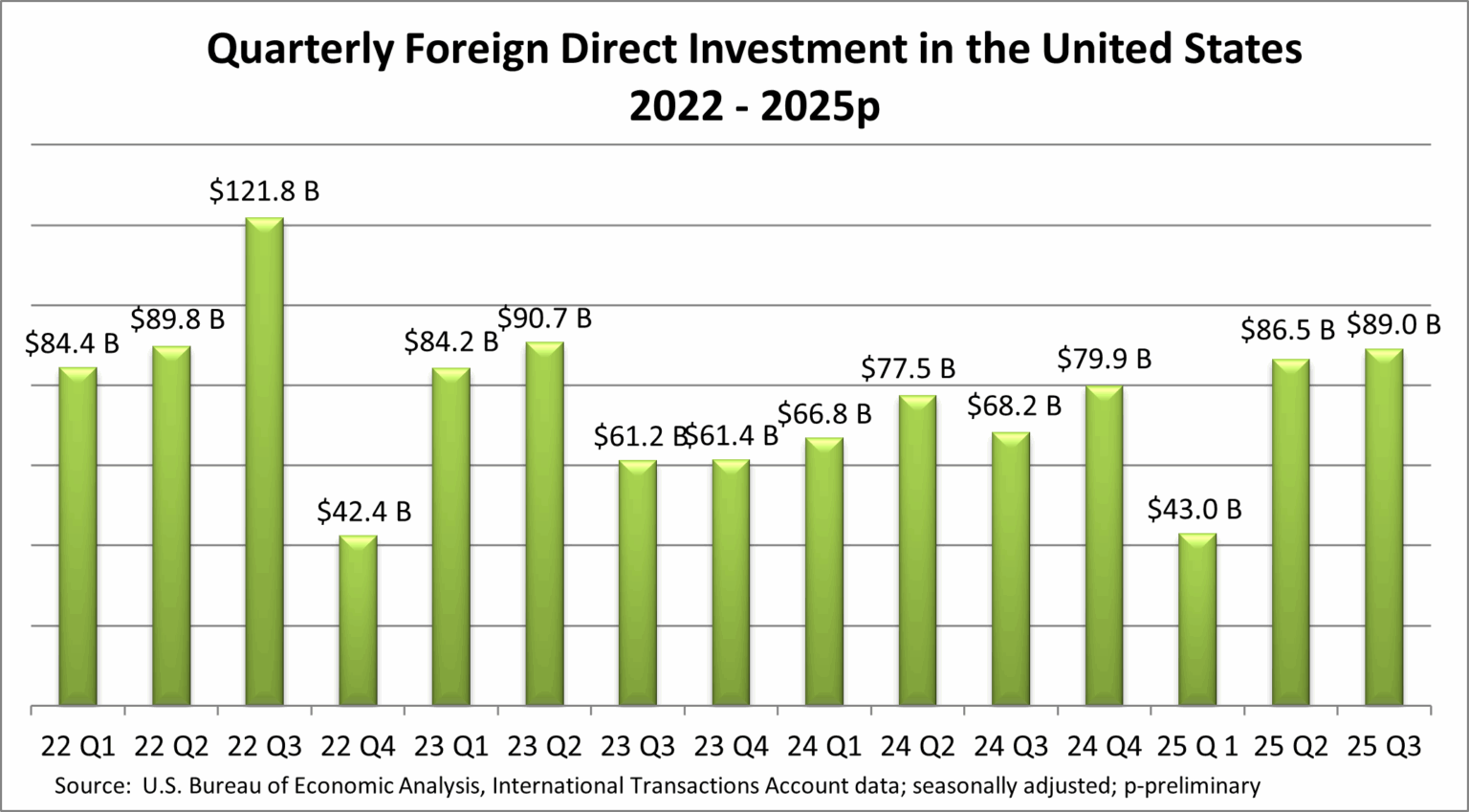
The United Arab Emirates has rapidly transformed into a premier hub for international commerce. With a highly attractive, pro-business environment, the nation continues to draw substantial global capital and world-class talent. The economic data clearly reflects this continuous growth. According to the Ministry of Investment, the UAE attracted US$ 45.6 billion in Foreign Direct Investment in 2024 ranking tenth globally while boasting an impressive US$ 552 billion GDP. However, entering this lucrative and competitive market requires significantly more than just ambition and a good idea. To succeed in fast-paced commercial centres like Dubai or Abu Dhabi, entrepreneurs must undertake meticulous financial planning and fully understand the local corporate landscape before launching their operations.
Establishing a Solid Financial Foundation
Before you commit to entering a new overseas market, developing a comprehensive financial strategy is absolutely crucial. Establishing a clear corporate budget from day one can save your enterprise from unexpected expenses and costly compliance issues down the road. This forward-thinking approach is remarkably similar to the core principles of how investing early can secure your financial future, as both individual wealth building and corporate expansion require disciplined planning, careful risk assessment, and a focus on long-term growth. Furthermore, building a financial buffer for unforeseen operational delays can provide your new branch with the vital breathing room it needs to establish a solid customer base.
When expanding into the Middle East, your financial roadmap must account for several specific regional factors. These include initial setup fees, potential local sponsorship requirements, visa processing costs, and commercial office leasing expenses. Additionally, international founders need to factor in the specific minimum share capital requirements associated with their chosen corporate jurisdiction. Opening a corporate bank account is another critical financial milestone that demands thorough documentation. Local banks implement strict compliance checks, meaning founders must be prepared to submit detailed business plans, verified proofs of address, and comprehensive shareholder profiles to successfully establish their financial presence.
Navigating Corporate Structures and Entity Selection
The legal structure you select will dictate almost every aspect of your operation, from your tax obligations to your ability to trade within the local market. For foreign investors, the primary decision usually revolves around where to incorporate and which specific licence to obtain. As you evaluate your options, you might find yourself asking, what are the different types of business registrations in the UAE? Generally, the available corporate vehicles are divided into Mainland, Free Zone, and Offshore entities. Navigating this landscape successfully often requires professional advice, particularly when interpreting specific regulatory nuances across different emirates.
Mainland companies are registered directly with the Department of Economic Development in the respective emirate. This structure allows you to trade freely within the local market and take on lucrative government contracts, offering maximum operational flexibility. Free Zones, on the other hand, are incredibly popular among foreign investors and tech startups. They offer full foreign ownership, zero customs duties on imports and exports, and highly streamlined setup processes. However, Free Zone entities are typically restricted from doing direct commercial business with the mainland without utilising a local distributor. Finally, offshore companies provide an excellent vehicle for international trading, wealth management, and asset protection, though they do not permit you to conduct any business operations or lease physical office space within the country itself.
Key Steps to Ensure Long-Term Compliance
Once your financial reserves are allocated and your structural plans are in place, navigating the ongoing regulatory environment is the final piece of the puzzle. The UAE government has introduced several modernisations to its corporate framework in recent years, making strict compliance a major priority for all new and existing enterprises. Ongoing adherence to local laws not only protects your investment but also enhances your corporate reputation among regional partners and clients.
To safeguard your operational status and avoid administrative penalties, you should follow these essential steps:
- Obtain the correct commercial licences: Ensure your daily business activities strictly match the classifications provided by the relevant licensing authority. Operating outside your licensed activities can result in heavy fines.
- Register for Corporate Tax: With the recent implementation of a federal corporate tax regime, registering with the Federal Tax Authority is now mandatory for most commercial entities, including many of those operating within Free Zones.
- Secure visas and employment permits: Process the necessary residency visas for yourself as an investor, your dependents, and any international staff you plan to employ before they begin work.
- Maintain accurate accounting records: Adopt international financial reporting standards to ensure your bookkeeping remains transparent, accurate, and fully prepared for potential regulatory audits.
Expanding an enterprise into the Middle East offers unparalleled access to emerging markets across Asia, Africa, and Europe. Yet, the foundation of a successful launch relies entirely on how well you prepare in the early stages. By taking the time to secure adequate funding, choosing the most strategic corporate structure, and adhering to modern regulatory standards, international founders can confidently build a sustainable and highly profitable presence in the region.