
Can You Sell A Car That Is Not Running Without A Title? Everything You Need To Know
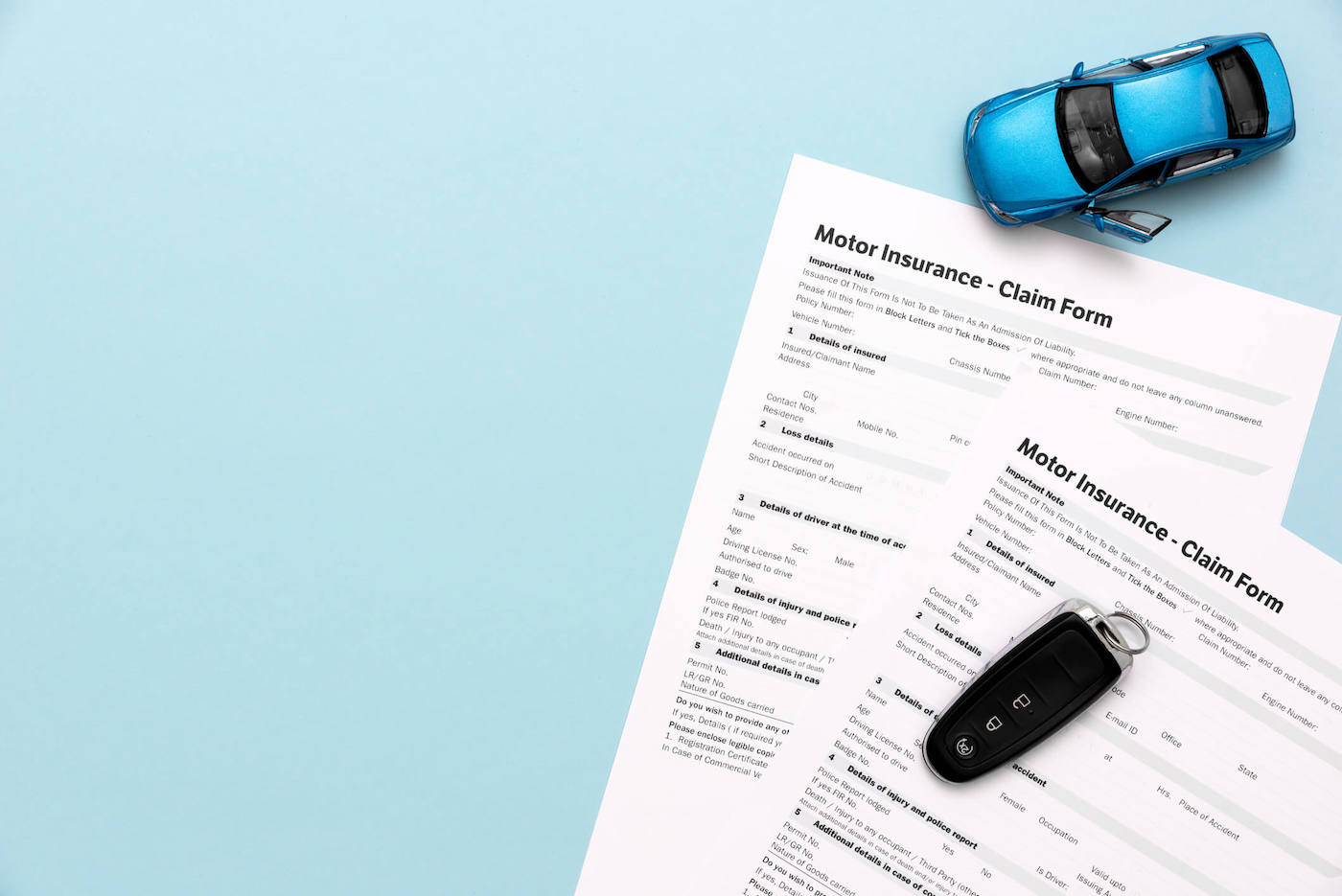
It can also be a confusing experience selling a car that is not functioning, particularly when the ownership documents are lost. There are fears of legal matters, trust, and adequate procedures by the buyers before proceeding with many owners. The knowledge of documentation regulations, evidence of ownership, and the appropriate methodology of selling will assist in avoiding complications. The transfer is also legal and safe to seller and buyer since clear information is used. There is no need to have a title of a car that is not running, as in the right hands, it can still get a willing buyer.
Understanding the Legal Basics of Selling a Vehicle Without Documentation
Regulations regarding the sale of a vehicle without a title are different, but the evidence of ownership is always necessary. Before doing so, most buyers demand alternative verification in terms of registration copies or receipts of sales. When the sellers talk clearly about the restriction of documentation, confidence is gained, and the negotiation is easier. There are services that even refer to the possibility of such an option, like Cash for Damaged Cars Perth – Same-Day Removal & Best Prices, as part of their instruction,s as transparent paperwork makes transactions easy. Recalling rules and drawing up the supporting documents will minimize time wastage and eliminate potential opposition.
How to Prove Ownership When Your Car Title is Missing
In the event that a title is not available, there are a number of feasible measures that can be used to prove ownership. Short preparation would make the communication with buyers easier and reduce confusion during the transaction.
- Registration Papers: Old or expired certificates verify past ownership and VIN details.
- Insurance Documents: Lawful possession evidence from previous active vehicle use.
- Purchase Receipts: Serve as authority to ownership when official titles are lost.
- Identification Documents: Help buyers verify the seller’s identity before the transfer.
- Maintenance Records: Long-term possession proof through repair or inspection bills.
Identifying Alternative Documentation for Non-Running Vehicle Sales
The absence of a title is usually covered by alternative documentation in the case of selling a non-running vehicle. Legal possession is most likely to be confirmed with the help of bills of sale, insurance statements, and copies of registration. A proper explanation to the buyer on the state and documentation eliminates misconceptions in the future. Truthful telling also fosters trust, which will mean easier negotiation of price and transfer costs. Spending time to gather every piece of documentation available is a major boost in confidence on both ends.
What Are the Best-Selling Options for Vehicles Without a Title?
Even in the case when a title cannot be created on the spot, there are several selling routes that may be used. Knowing these options can assist the sellers in selecting the safest tool and yet preserve cost gains.
5 Efficient Routes for Selling Scrap or Damaged Cars
- Private Buyers: Individuals who manually verify identification and ownership documents.
- Recycling Centers: Scrap yards that purchase non-running vehicles for material value.
- Repair Professionals: Mechanics looking for idle vehicles for parts or restoration.
- Online Classifieds: Open listings (like Gumtree or Facebook) that allow honest upfront disclosure.
- Car Removal Services: Licensed wreckers who handle paperwork during vehicle retrieval.
Managing Buyer Risks and Liability During Title-Free Transactions
Sellers should always be cautious about risk, as buyers tend to do so when a title is absent. The issues tend to be related to the authenticity of ownership, its possible inability to be registered in the future, or the problems of its resale. When sellers present the correct history information, proper paperwork, and proper communication, the concerns are minimized. Also, transparency helps to facilitate more fluid price deliberations since expectations are not unrealistic. Responsible disclosure safeguards both parties against possible litigation or economic costs.
Step-by-Step Guide: How to Apply for a Replacement Title
Getting a replacement title would make it much easier to sell. Although the process is different, through preparation and patience, successful recovery of the document is common.
- Contact Authorities: Seek guidance from the Department of Transport or the local registration office.
- Provide Identity Proof: Present identification to identify lawful ownership for the request.
- Submit Required Forms: Ensure the VIN matches official records on all applications.
- Pay Administrative Fees: Commence the issuance of the duplicate title through the relevant offices.
- Confirm Issuance: Wait for official confirmation before finalizing any advertising.
Essential Paperwork Tips for a Hassle-Free Transfer of Ownership
Proper documentation records ease the sale even without the original title. Retention of registration documents, insurance documents, and maintenance receipts proves ownership. The systematized documentation will also assure buyers and ease their reservations at the bargaining table. Formal written contracts with conditions of the vehicle, the price, and transfer facilitate future misunderstandings. Proper record keeping facilitates a legal and easy process of transaction.
How to Successfully Close a Legitimate Car Deal
The process of selling a non-running vehicle without a title should be prepared, truthful, and knowledgeable about what to sign. Most sellers have been victorious because they take other records, clarify the situation, and select trustworthy buyers who are aware of the paperwork constraints. Certain sellers would inherently mention services like Cash for Damaged Cars Perth – Same-Day Removal & Best Prices when talking about useful services in disposing of equipment due to the documentation being easy. By appropriate planning, sellers will be able to close a legitimate deal and at the same time safeguard their financial interests and at the same time make sure that they have transferred ownership in a responsible manner.